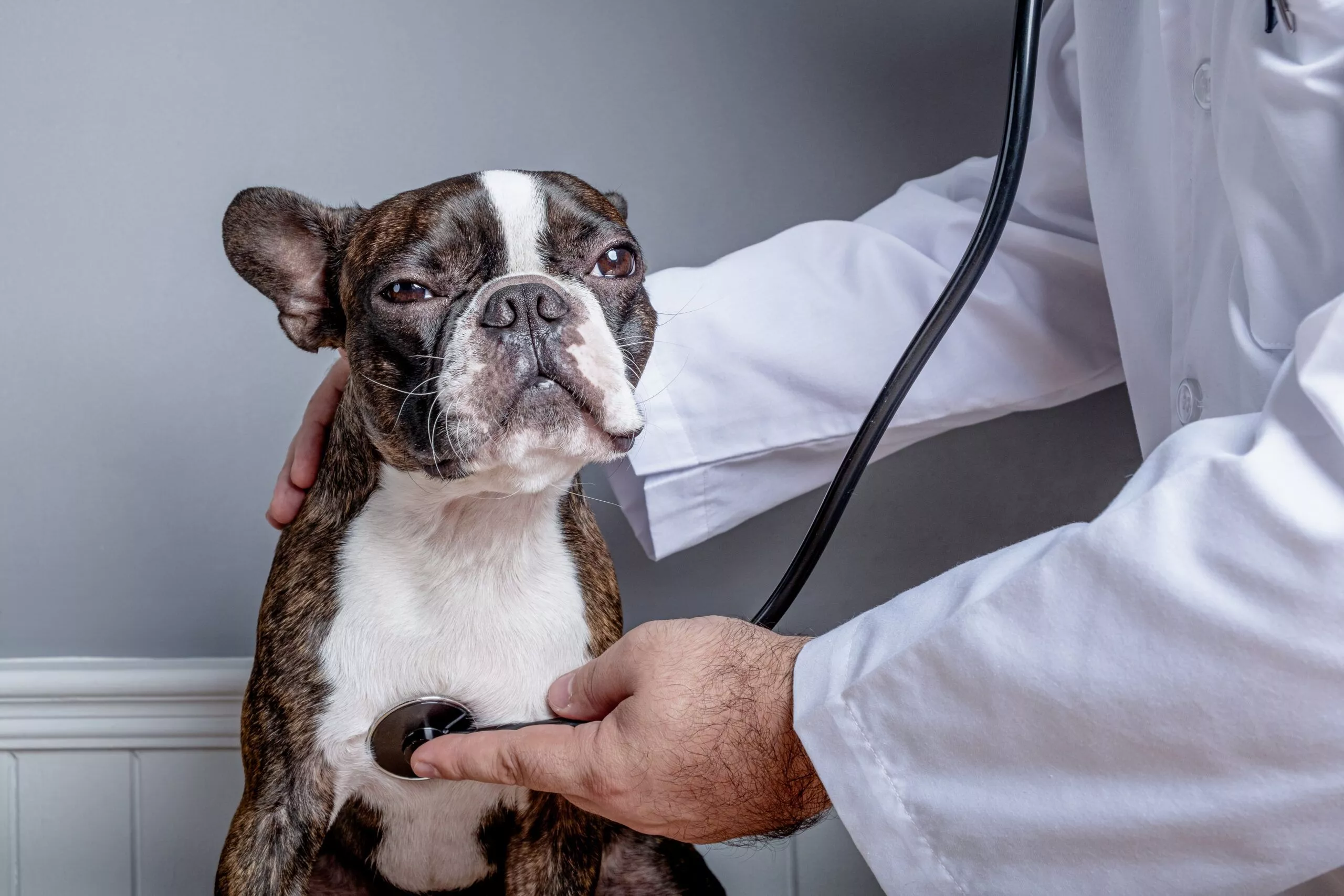
Hip Dysplasia Diet: How Your Pup’s Diet Can Help To Lessen The Risk
author: Jaime Bast, RVT
2023-07-24

For many dog owners, their pet’s hip dysplasia diagnosis makes them feel helpless.
Without corrective surgery, affected dogs suffer from painful joint grinding and rubbing with every step, which results in chronic arthritis
and an increased risk for other orthopedic injuries. But, lifelong pain medication isn’t the only option for these dogs.
While you won’t find a bag labeled “Dog food for hip dysplasia” at your local pet store, your dog’s bowl can be powerful for producing
life-changing results. A well-crafted, targeted hip dysplasia diet can effectively help build strong hindleg muscles, decrease joint inflammation,
support a lean body weight, and nourish bones and soft tissues for smooth and comfortable growth, repair, and movement.
We asked New Jersey-based veterinarian Dr. Judy Morgan to explain what foods and ingredients can help reduce hip dysplasia risk for
vulnerable pups and effectively relieve and support dysplastic dogs.
Key Components of Dog Food For Hip Dysplasia
Although hip dysplasia most commonly affects large- and giant-breed dogs, this debilitating, predominantly inherited condition can affect
any dog breed or size, so all dog owners must understand how their pup’s food and lifestyle can create positive change.
Dr. Morgan explains the five components of a hip dysplasia diet that can minimize your dog’s risk of disease or relieve their suffering if
they have the disease.

#1: Omega-3 fatty acids
Dr. Morgan is a fan of omega-3 fatty acids for their anti-inflammatory properties, which can help reduce painful hip joint inflammation
(i.e., a precursor to arthritis) and help lubricate joints. Omega-3 fatty acids naturally occur in fish oil and flaxseed oil, which can be given
to dogs as a supplement (e.g., capsule or liquid), and fresh foods such as salmon and chia seeds.
#2: Calcium
High-calcium foods, such as yogurt, help strengthen bones and prevent additional joint damage. Adding supplemental calcium to an adult
dog’s diet can alleviate joint-related discomfort and reduce arthritis risk, a known hip dysplasia complication that often increases with age.
As with other minerals, calcium must be dosed carefully to prevent excess intake, especially during puppyhood when bones are undergoing
rapid growth. Calcium over-supplementation can encourage harmful overgrowth and result in serious limb complications.
Consult with your veterinarian before adding additional calcium to your puppy or dog’s diet.
#3: Iron and vitamin C
Anemia, which results when the body doesn’t produce enough red blood cells, is a common, but little-known, autoimmune response to canine
hip dysplasia.
Fortunately, you can combat this debilitating condition and help your pup’s body make additional red blood cells with an iron-rich diet.
Beef and chicken are naturally high in digestible iron and protein to support your pup’s muscle development and repair. Leafy greens are also
excellent iron sources, and kale and spinach are also packed with vitamin C, which helps rebuild connective tissues that hip dysplasia has destroyed.
Puppy Gas: 5 Reasons Your Dog Is Gassy & What To Do About It
Dilated Cardiomyopathy in Dogs: Signs, Treatment & More
Related Article
Have you heard about fresh food as an option for your pup but don’t know the benefits? Learn more in our post.
Benefits Of Fresh Dog Food: 10 Research-Backed Reasons To Switch
Identifying if your dog is overweight is an essential skill for a pet parent to master; however, it’s not always the easiest thing to do. Weight gain can happen slowly over several years and can often go unnoticed until pointed out by a family member, friend, or veterinary care team member.
How to Tell If Your Dog is Overweight

Dog gas (i.e., flatulence) can be the butt of many jokes, but this stinky sign may indicate that your pooch has serious digestive distress. Understanding the origins of your pup’s odor can help clear the air and ease their sensitive digestive system.
Puppy Gas: 5 Reasons Your Dog Is Gassy & What To Do About It